Whisky or whiskey — which spelling is right?
Both, depending on where it was made. Scotland, Japan and Canada spell it whisky; Ireland and most of America add the e. Scotch is always whisky, which is the spelling used on this page. If you ever see a label reading "Scotch whiskey", put the bottle down; whoever printed it was not paying attention.
What actually makes a whisky a Scotch?
Law, not romance. Scotch whisky must be distilled and matured in Scotland, in oak casks of no more than 700 litres, for a minimum of three years, and bottled at 40% or above. Nothing may be added except water and, regrettably, E150a spirit caramel. Whisky made anywhere else can be excellent, but it cannot be Scotch.
What is single malt whisky, and how is it different from a blend?
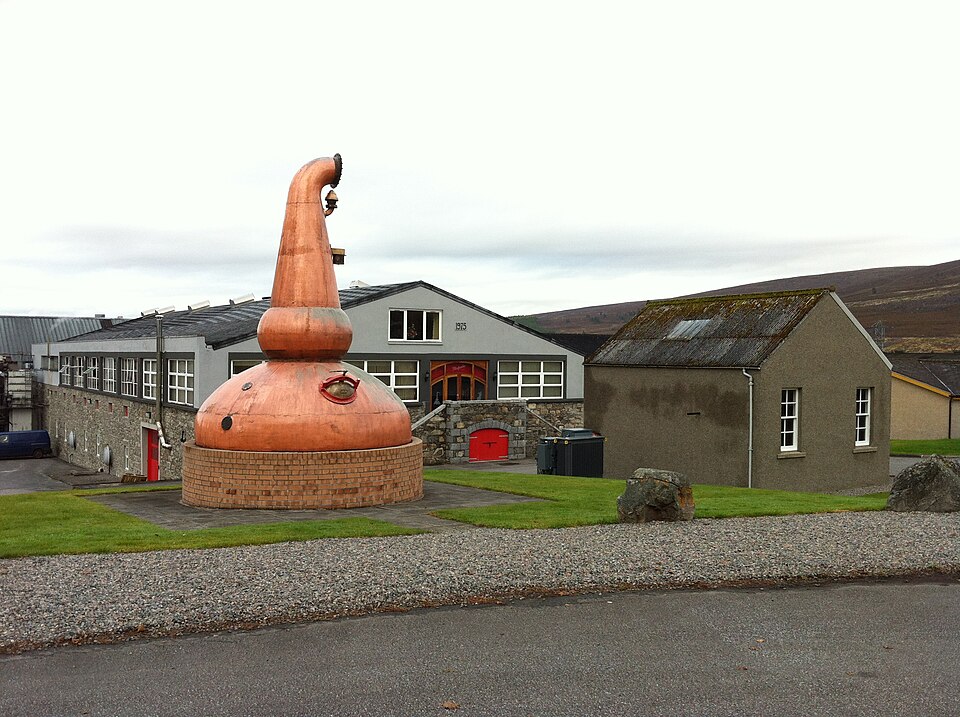
Single malt is whisky from one distillery, made only from malted barley, water and yeast, in copper pot stills. "Single" means one distillery, not one cask. A blended Scotch mixes malt whisky with much cheaper grain whisky made in industrial column stills. Blends can be decent, but a single malt from a good house simply has more to say.
What is peated whisky, and why does it taste smoky?
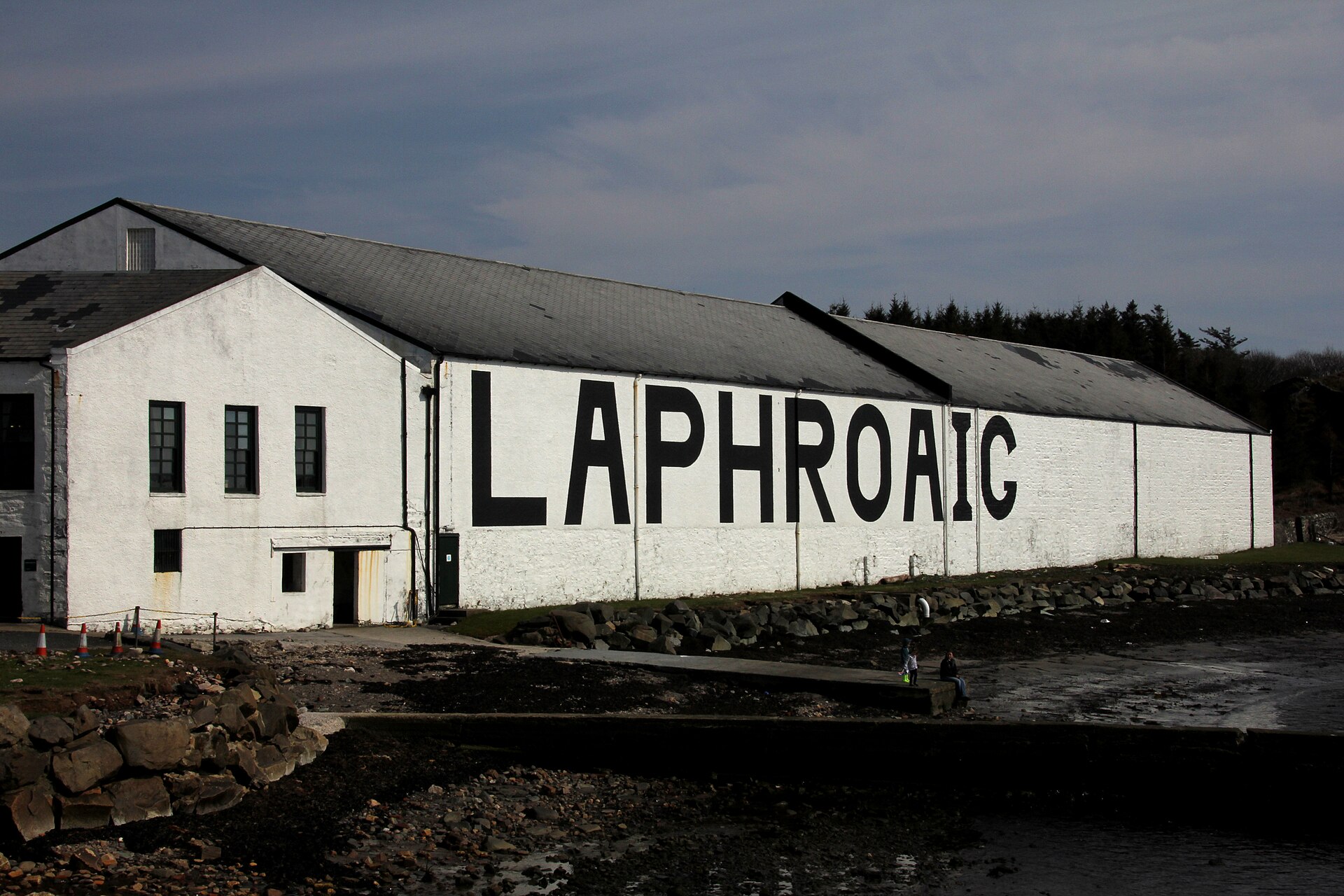
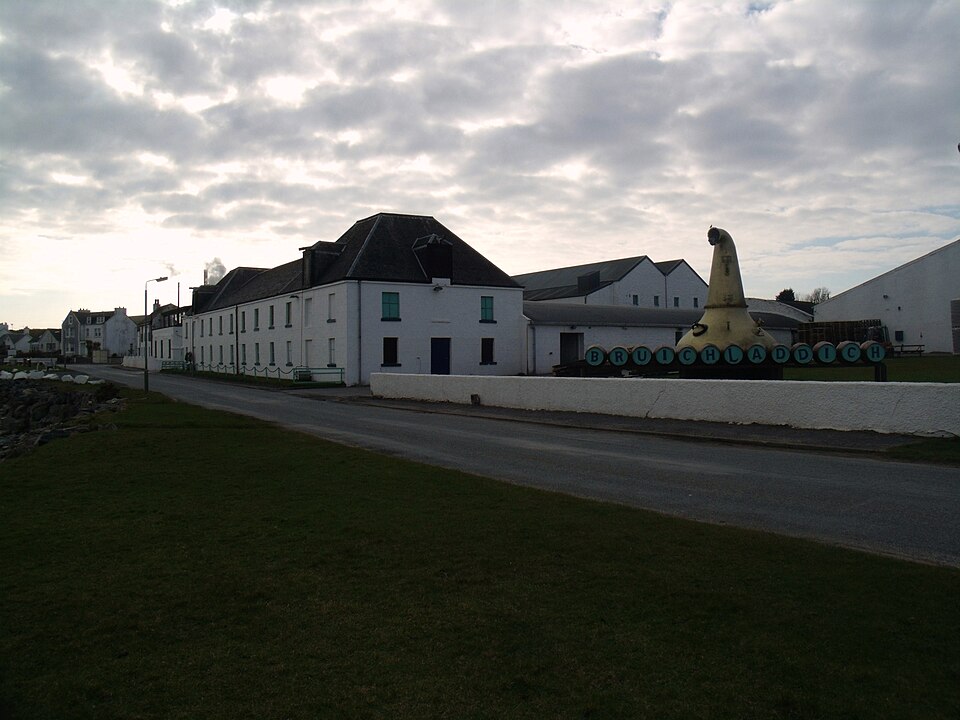
Peat is centuries of compressed bog vegetation, cut, dried and burned to dry malted barley. The smoke leaves phenolic compounds on the grain, and those phenols survive fermentation, distillation and years in oak all the way into your glass. The smoke is put there in the making, never added as flavouring. It is measured in parts per million: a whisper at 2 or 3 ppm, a bonfire in the heavily peated Islay malts, and triple figures in Bruichladdich's Octomore.
What does non-chill-filtered mean?
Chill filtration cools whisky close to freezing and strains out the natural oils and esters that can turn a bottle slightly hazy in the cold. It keeps supermarket shelves tidy, and it takes texture and flavour with it. Non-chill-filtered whisky keeps those oils in. Bottled at 46% or above the haze never forms anyway, which is why honest bottlers use that strength and skip the filter altogether.
What is cask strength whisky, and is it better?
Whisky bottled at the strength it came out of the cask, usually somewhere between 50% and 60%, rather than watered down to 40 or 43. Not automatically better, but more honest: you get the whole spirit, and you decide how much water goes in rather than an accountant deciding for you. Start with a splash. It opens the whisky rather than drowning it.
How should you drink whisky — neat, with water, or with ice?
However you enjoy it, and pay no attention to anyone who says otherwise. But if you want to taste what the distiller made: use a glass that tapers at the top, serve at room temperature, try it neat first, then add a few drops of water to open the aromas. Ice numbs flavour into hiding; save it for a long drink on a hot day, not a tasting measure.
Why is whisky brown, and does a darker colour mean better whisky?
Whisky leaves the still perfectly clear. Every bit of colour comes from the cask it matures in, or from added E150a caramel colouring, which the law lets bottlers use without declaring. Dark tells you nothing about age or quality: a fresh sherry cask turns whisky mahogany in a few years, while a tired cask leaves decades-old spirit pale. The full argument is in Colour Tells You Nothing above.
Does whisky go off? How long does an open bottle last?
Unopened and kept cool, dark and upright, whisky keeps for decades; it does not age or improve in glass. Once opened, air gets to work slowly. A bottle more than half full drinks well for a year or two. Down at the last few measures, oxidation flattens the edges within months. Finish it, share it, or decant the remainder into a smaller bottle. None of these is a hardship.
How should you store whisky at home?
Upright, always. Whisky corks are not wine corks, and spirit at 46% sitting against one will slowly destroy it. Keep bottles out of direct sunlight and away from radiators, avoid big temperature swings, and leave the crystal decanter for show unless it seals properly. That is the whole science; no cellar required.
Why is whisky so expensive?
Tax first: on a cheap bottle in Britain, most of what you hand over is duty and VAT before a drop of whisky is paid for. Then time: the spirit sleeps in oak for ten or fifteen years, evaporating at roughly two per cent a year, while someone pays for the casks, the warehouse and the insurance. A small distillery carrying those costs without a corporation behind it earns every pound it asks.
What is the best whisky for a beginner?
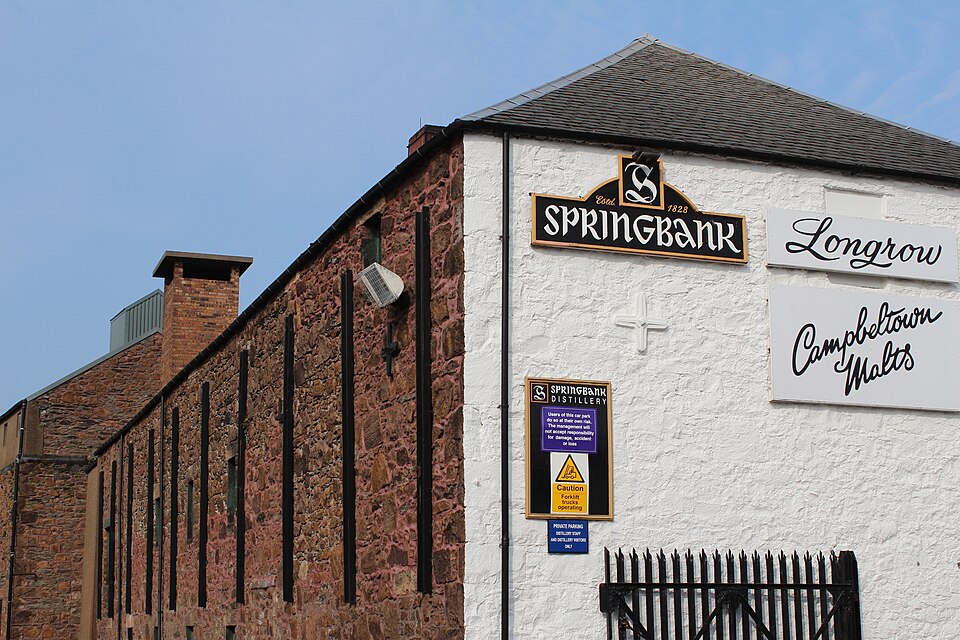
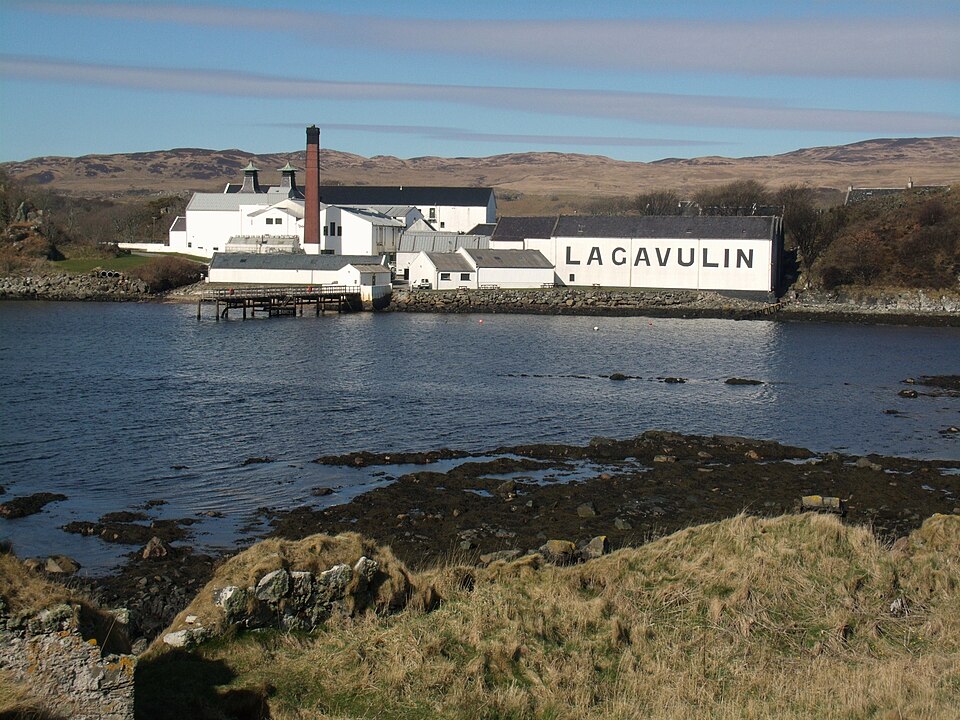
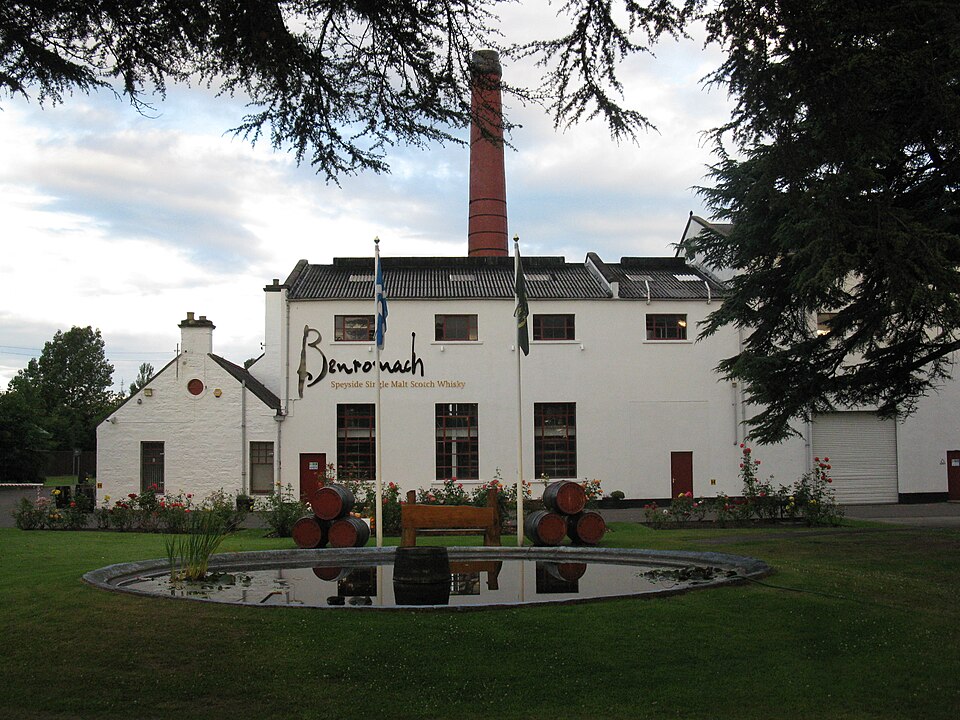
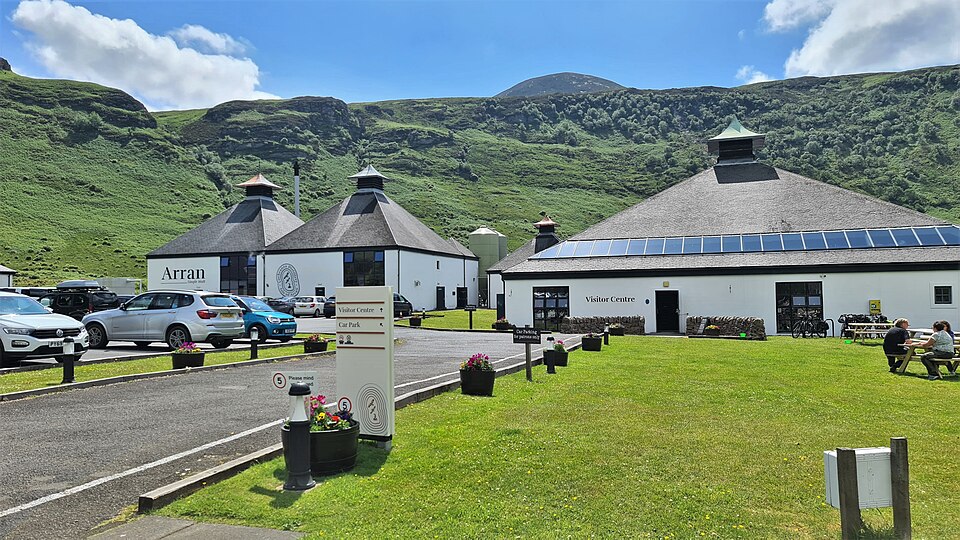
One with character that will not ambush you. My five are in the First Bottle list above: Benromach 10 for Speyside, Arran 10 for the islands, Glenfarclas 12 for sherry, Lagavulin 16 for peat, and Springbank 10 for all of it at once. Any one of those will teach you more than a month of reading.
What is a dram?
A pour of whisky, and no more precise than that. The word is Scottish and proudly unregulated: no legal measure, no standard size, just the amount your host judges right, which in practice lands somewhere between 25 and 35ml. The correct answer to "will you take a dram?" is yes.
Why is whisky called the water of life?
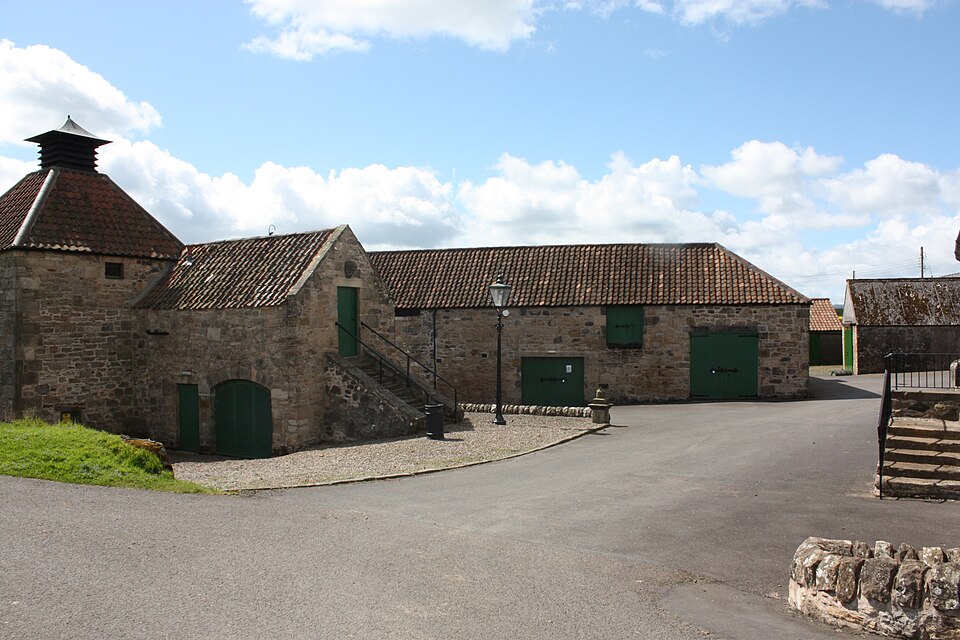
The Gaelic uisge beatha means exactly that, and "whisky" is what centuries of English tongues did to "uisge". The first written record of Scotch distilling, from 1494, grants malt to Friar John Cor to make "aqua vitae", the same phrase in Latin, at Lindores Abbey in Fife. There is a working distillery on that ground again today, and it made this page's Lowland list.
Does an age statement tell you how good a whisky is?
It tells you the age of the youngest whisky in the bottle, and nothing more. Age is not quality. A lively young cask-strength malt from a good distillery will walk all over a tired old whisky that sat too long in a worn-out cask. Use the number as information, not as a scorecard, and drink the whisky rather than the label.